
Do You Actually Need a 2 Burner Gas Stove, or Just Think You Do
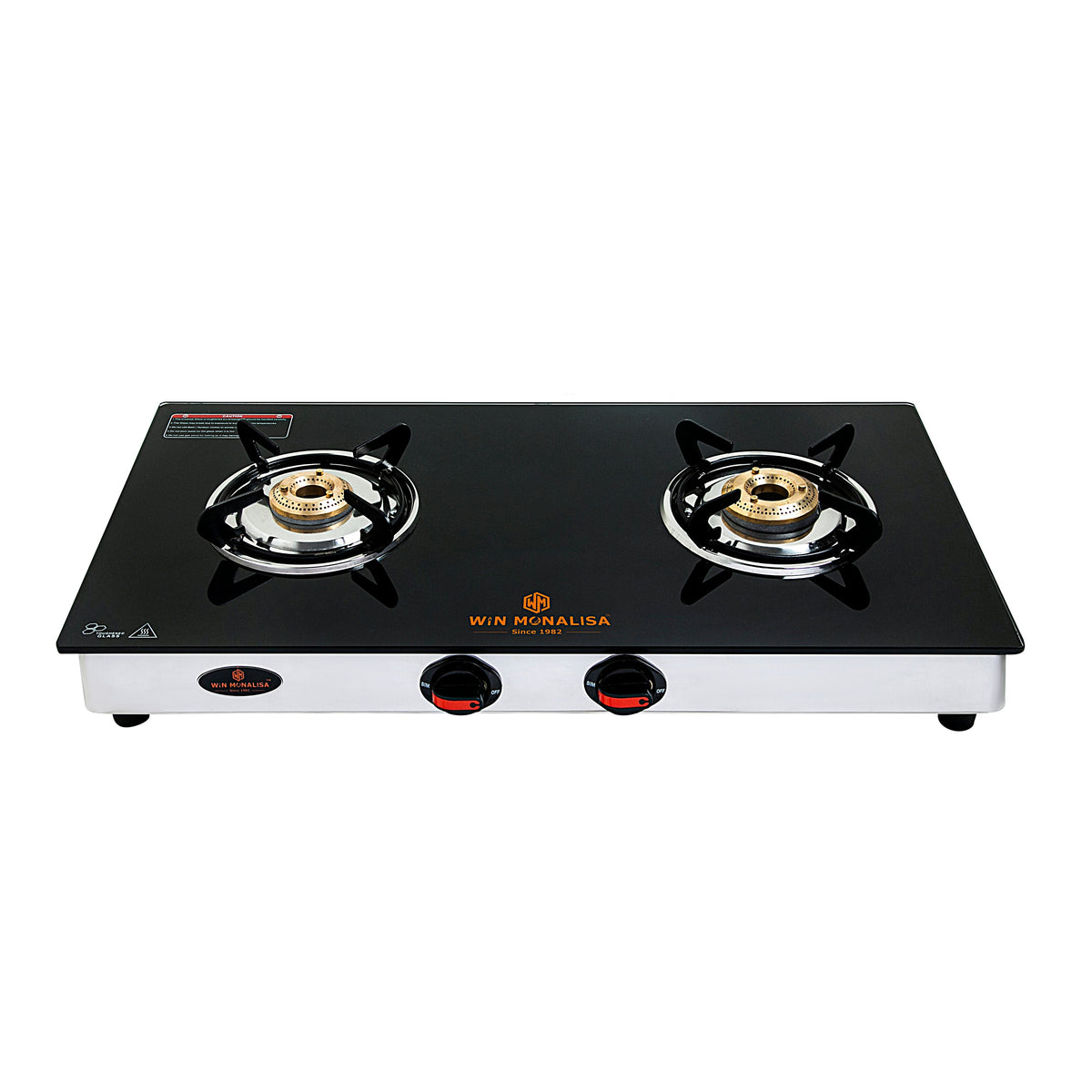
Not every kitchen station needs a full six-burner range sitting under it. A lot of hotel kitchens — service stations, room service prep areas, small banquet setups, even satellite kitchens in a property with multiple outlets — run perfectly well on something smaller and more focused. A 2 burner gas stove for hotel use tends to get overlooked in equipment planning, mostly because it doesn't look as impressive as the bigger ranges, but it often ends up being the piece that gets used the hardest.
The mistake a lot of first-time buyers make is assuming smaller equipment means lower stakes. It doesn't. A two-burner unit that's underpowered or poorly built will slow down a busy sauce station or a garnish counter just as badly as a failing six-burner range slows down the main line — it just does it more quietly, until someone finally notices tickets are backing up.
Where a Two-Burner Setup Actually Earns Its Space
Full ranges make sense for a main cooking line. But plenty of tasks in a commercial kitchen don't need that much firepower, and cramming a large range into a small prep area just wastes floor space that could go toward storage or plating counters. Two-burner units tend to show up in a few specific places:
● Room service kitchens, where volume is lower but speed still matters
● Banquet prep stations that need a dedicated flame without pulling from the main line
● Satellite or outlet kitchens in larger hotel properties
● Sauce and garnish stations that run alongside a bigger cook line
● Smaller B&Bs or boutique properties where a full commercial range isn't justified
In each of these cases, the equipment isn't doing less important work — it's just doing focused work in a smaller footprint.
Commercial-Grade Means Something Specific Here
This is where buyers sometimes get tripped up. A double burner gas stove commercial unit isn't just a smaller version of a home stove — or at least it shouldn't be. Commercial units are built for continuous use, often for ten or twelve hours a day, and they need components that can take that kind of punishment without warping or failing.
Things worth checking before buying:
● Burner material and BTU output — cast iron or brass burners generally outlast lighter alternatives
● Body construction, ideally food-grade stainless steel that resists corrosion and heat warping
● Pilot ignition reliability, since a stove that won't light consistently during rush becomes a liability fast
● Ease of cleaning, since grease buildup around burners is a hygiene and safety issue, not just an appearance one
Skipping these checks to save a bit on the upfront cost tends to backfire within the first year, usually right around the time a burner starts sticking or the body starts rusting at the seams.
Efficiency in a Small Footprint Still Adds Up
It's easy to assume a smaller stove has a smaller impact on operations, but that's not really how commercial kitchens work. A two-burner unit that heats slowly or holds temperature poorly will still hold up whatever station it's part of, and that delay ripples outward — a sauce that's late is a plated dish that's late.
Operators evaluating smaller equipment should think about it with the same seriousness as a main range: how fast does it reach cooking temperature, how evenly does it hold heat, and how much gas does it use over a full shift. These numbers matter just as much at a two-burner station as they do on the main line, just at a smaller scale.
Durability Pays for Itself Faster in High-Use Stations
Ironically, smaller stations often see harder, more continuous use than the main line, since they're doing repetitive single-task work all shift long. That makes durability even more important here, not less. A well-built two-burner stove with 1 year warranty, then depends on your usage and care major repairs will almost always cost less over its lifetime than a cheaper unit that needs replacing every two or three.
Final Thoughts
Smaller equipment doesn't mean smaller decisions. Choosing the right burner setup for a service station, room service kitchen, or banquet prep area deserves the same attention to build quality and output as any major equipment purchase — because these units often end up running longer hours than anything else in the kitchen.
FAQs
Is a 2 burner gas stove enough for a hotel room service kitchen?
For most room service operations, yes. Volume tends to be lower and more spread out than main-line service, so a well-built two-burner unit is often sufficient.
How long should a commercial double burner gas stove last?
With proper maintenance, a well-built unit should last eight to ten years, though usage intensity and burner quality can affect that range.
Can a two-burner stove handle a busy banquet prep station?
It depends on the task. For focused work like sauces or garnishes running alongside a main line, yes — but high-volume bulk cooking usually needs a larger setup.
What should I check before buying one for my hotel kitchen?
Look at burner material, BTU output, body construction, and ignition reliability. These factors matter more for long-term performance than the price tag alone.