
Nobody Budgets for the Griller. Then Breakfast Service Falls Apart.
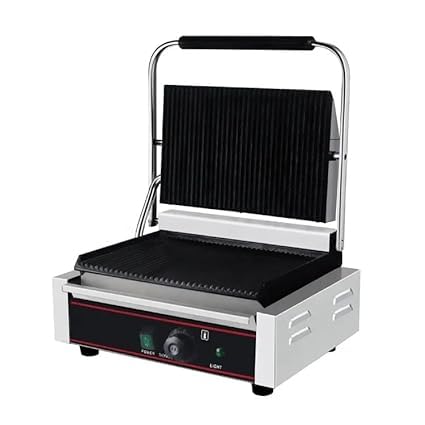
Ask a hotel F&B manager to list their equipment priorities and you'll hear about ranges, ovens, maybe a good fryer. The griller almost never makes the first draft. It gets added later, usually after someone realizes the breakfast counter has nothing fast enough to keep a line moving, or the café station is turning out sandwiches at a pace that's embarrassing on a slow Tuesday. A decent sandwich griller gas unit doesn't ask for attention during planning. It just quietly ends up doing more work per shift than half the equipment that got budgeted first.
Room service. Poolside snacks. Breakfast buffets. Café counters. Sandwiches show up everywhere in hospitality food service, and whatever's cooking them needs to keep up without becoming the one slow step in an otherwise fast order.
Gas Still Wins Where It Counts
Electric grillers work fine in smaller setups, especially where gas lines aren't already run. But on a busy counter, many gas models have a real edge — they can heat quickly and recover faster between orders, depending on the unit. And recovery is really the number that matters here. Picture a griller that's just cooked four sandwiches back to back. Depending on the model, some electric units may take longer to climb back to temperature, while a properly built gas unit can recover much quicker. During a breakfast rush with six orders stacked up, that difference can help keep the counter flowing and prevent ticket times from creeping past what a guest is willing to wait for eggs and toast.
How to Actually Tell a Good Griller From a Weak One
Plenty of units get marketed as "commercial grade" without much backing that up. It usually shows up a few months in, once the plates start warping or one side runs hotter than the other. Worth checking before buying:
Plate thickness matters more than most buyers expect. Thicker cast iron or steel holds heat evenly and resists warping — thinner plates look fine on day one and start dishing out uneven sear marks by month three. Heat distribution across the full plate is worth asking about directly, not near the burner where it's easiest to demonstrate, but at the edges where it usually falls apart first. And on double-sided models, check the hinges. They're getting opened and closed hundreds of times a shift, and a weak hinge is often the first thing to fail on an otherwise fine machine.
Honestly, the spec sheet won't tell you all of this. It's worth just asking the supplier point blank how thick the plates are and how long recovery takes between orders — a supplier who actually knows their equipment will have a real answer, not a shrug.
Where a Commercial Grill Fits Next to It
A griller handles sandwiches and similar quick items well, but it's rarely doing that job alone. Most breakfast or café stations also need a commercial grill nearby for meats, vegetables, or other items that don't belong on a griller plate. Buying these two pieces without thinking about how they work together tends to produce an awkward layout — staff running between stations that could've been placed to work as one.
It's worth mapping the actual menu at that station before ordering anything. What's getting cooked, in what volume, at what times of day. A griller and a flat-top grill placed side by side can usually cover a much wider menu than either one alone, and it keeps staff from crossing the kitchen mid-order.
The Wear Adds Up Faster Than People Expect
Here's the thing about counter equipment — it runs almost the entire shift, not in bursts like a main cooking line might. That constant use wears down lighter-built units faster than anyone expects going in. A cheaper griller built to hit a lower price point often starts showing warping or uneven heat within the first year of real commercial use. A better-built one costs more upfront but tends to run for years without needing more than routine maintenance.
This is one of the easier ROI arguments in kitchen equipment, honestly. The payoff isn't abstract — it shows up directly in fewer repair calls and less downtime during the exact hours a breakfast counter can't afford to be out of service.
Final Thoughts
Grillers and grills rarely get the planning attention that bigger equipment does, but they're often carrying more daily volume than anything else on the line. Choosing something built for continuous commercial use, rather than the cheapest option that technically fits the counter, tends to pay for itself faster than most operators expect.
FAQs
Is gas better than electric for a commercial sandwich griller?
For high-volume counters, generally yes. Gas units heat up and recover heat faster between orders, which matters most during rush periods when a line is forming.
What actually makes a commercial grill durable?
Plate thickness and even heat distribution matter most, along with solid hinge and handle construction on double-sided models that see constant daily use.
Can a single griller handle both breakfast and café sandwich service?
Usually, if it's sized correctly for expected volume. Busy stations often do better pairing a griller with a separate grill to cover more of the menu without slowing service.
How often should a commercial griller be cleaned and serviced?
Plates should be wiped down after every shift, with a full service check roughly every few months to catch early signs of wear.
Is a pricier griller actually worth it, or is that just markup?
In most cases it's worth it. Better plate material and construction directly affect how evenly it cooks and how long it lasts, which usually means fewer breakdowns down the line.